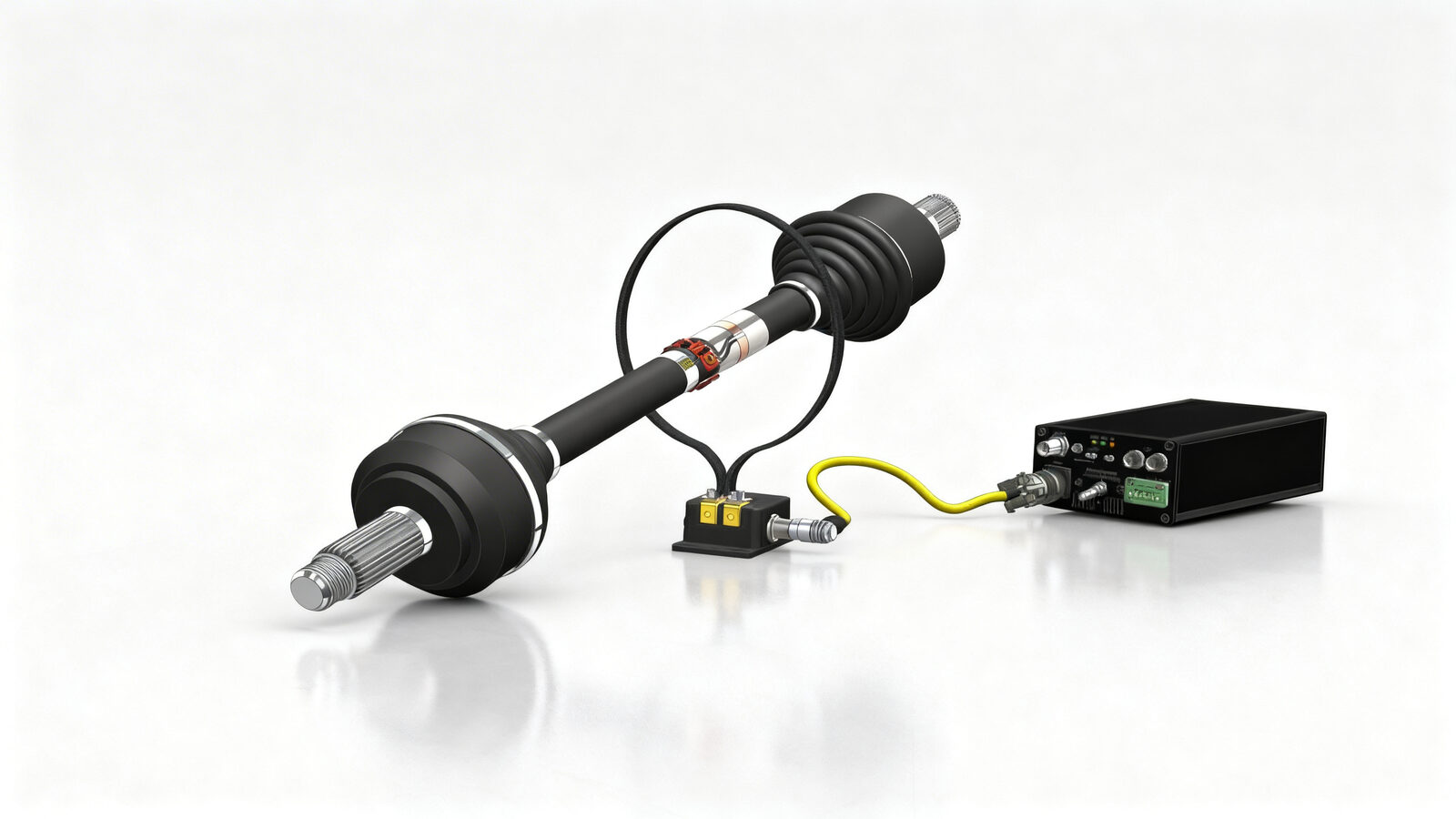
Rotor unit
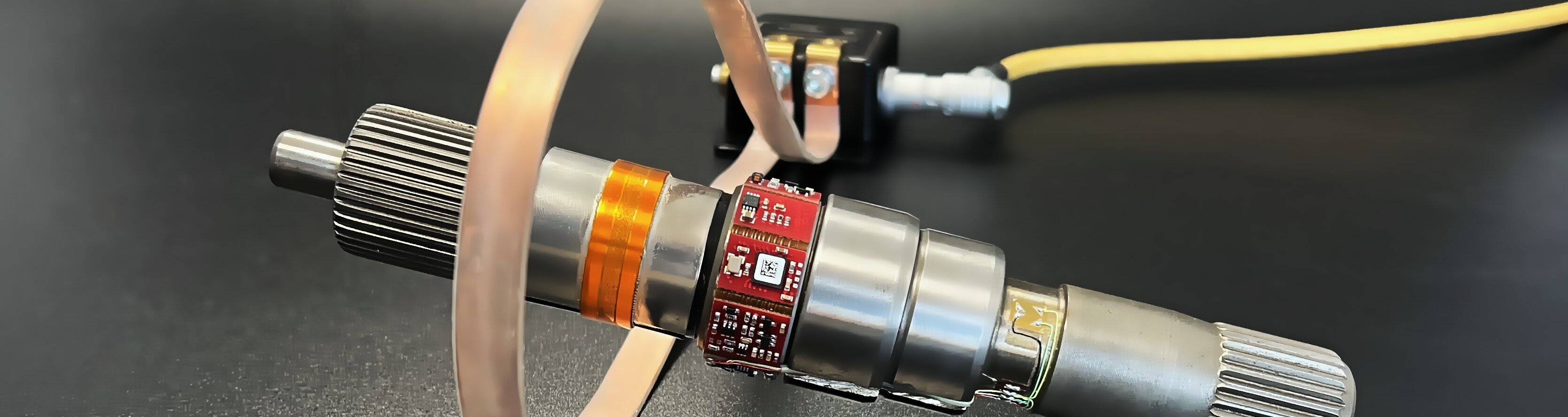
Mounted directly on the shaft, it powers the strain gauges, captures sensor signals and digitizes them at the rotating measurement point.
Technology guide
Torque is the truth signal in the drivetrain. Contactless telemetry measures it directly on the rotating shaft — without slip rings, batteries, or mechanical signal pickup.
Strain gauge measurement directly on the rotating shaft
Inductive power transfer instead of batteries or slip rings
Digital signal acquisition on the shaft
Applications in automotive, test benches and industry
Principle
Contactless torque measurement captures torque on a rotating shaft without mechanical contact between the rotating measurement part and the stationary evaluation unit.
The proven sensor principle is still the strain gauge. Under torsion, the shaft deforms minimally, the strain gauge changes electrical resistance, and torque is calculated from that signal. The progress is in power transfer, digitization and data transmission.
In telemetric torque measurement, a stator antenna supplies the rotor electronics inductively. At the same time, the rotor unit sends digitized measurement data back to the control unit. No brushes, no slip contacts, no battery.
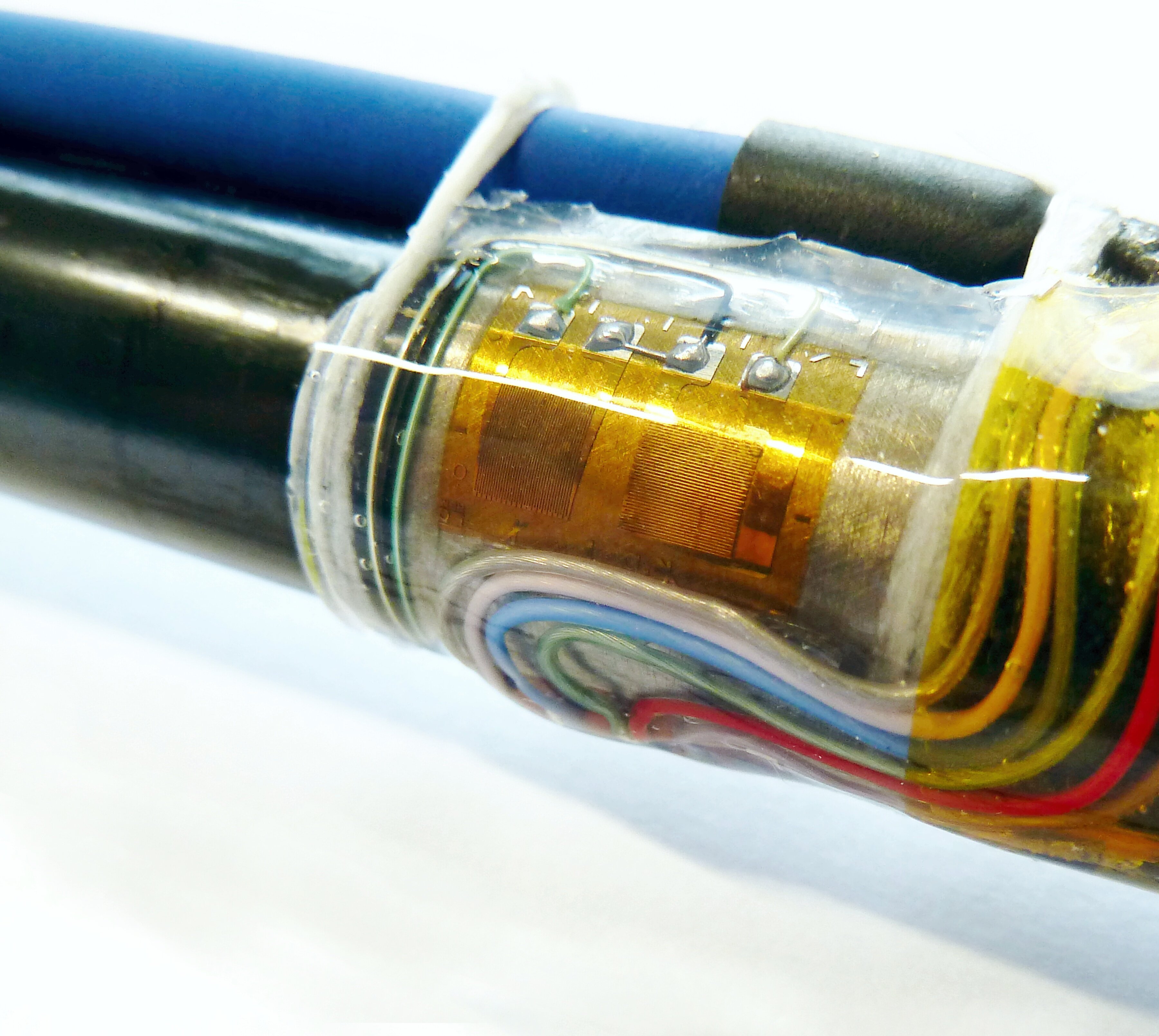
Mounted directly on the shaft, it powers the strain gauges, captures sensor signals and digitizes them at the rotating measurement point.
Creates the inductive field for power transfer and receives the digitally transmitted measurement data without contact.
Controls power transfer, processes data and provides values as analog or CAN bus signals for test bench and vehicle use.
Slip ring vs. telemetry
Industrial measurement tasks are not decided by lab values alone, but by performance at speed, with oil, temperature, relative motion and maintenance pressure.
No brushes, slip contacts or mechanical abrasion — important for endurance runs and long-term tests.
Inductive telemetry avoids the mechanical limits of classical slip rings in dynamic drivetrains.
Oil, humidity, temperature, contamination and vibration are considered in application and protection.
The rotor unit is inductively powered. Battery replacement and battery-related measurement failures are avoided.
Measurements near inverters and high-voltage environments need interference-resistant data transfer.
Tiny analog signals are digitized directly on the shaft before contactless transmission.
Larger transfer distances help when rotor and stator move relative to each other.
Temperature, supply status and signal quality help assess the measurement chain during tests.
Applications
Contactless torque measurement is strongest where the measurement point rotates, is hard to access, or must remain stable over long test durations.

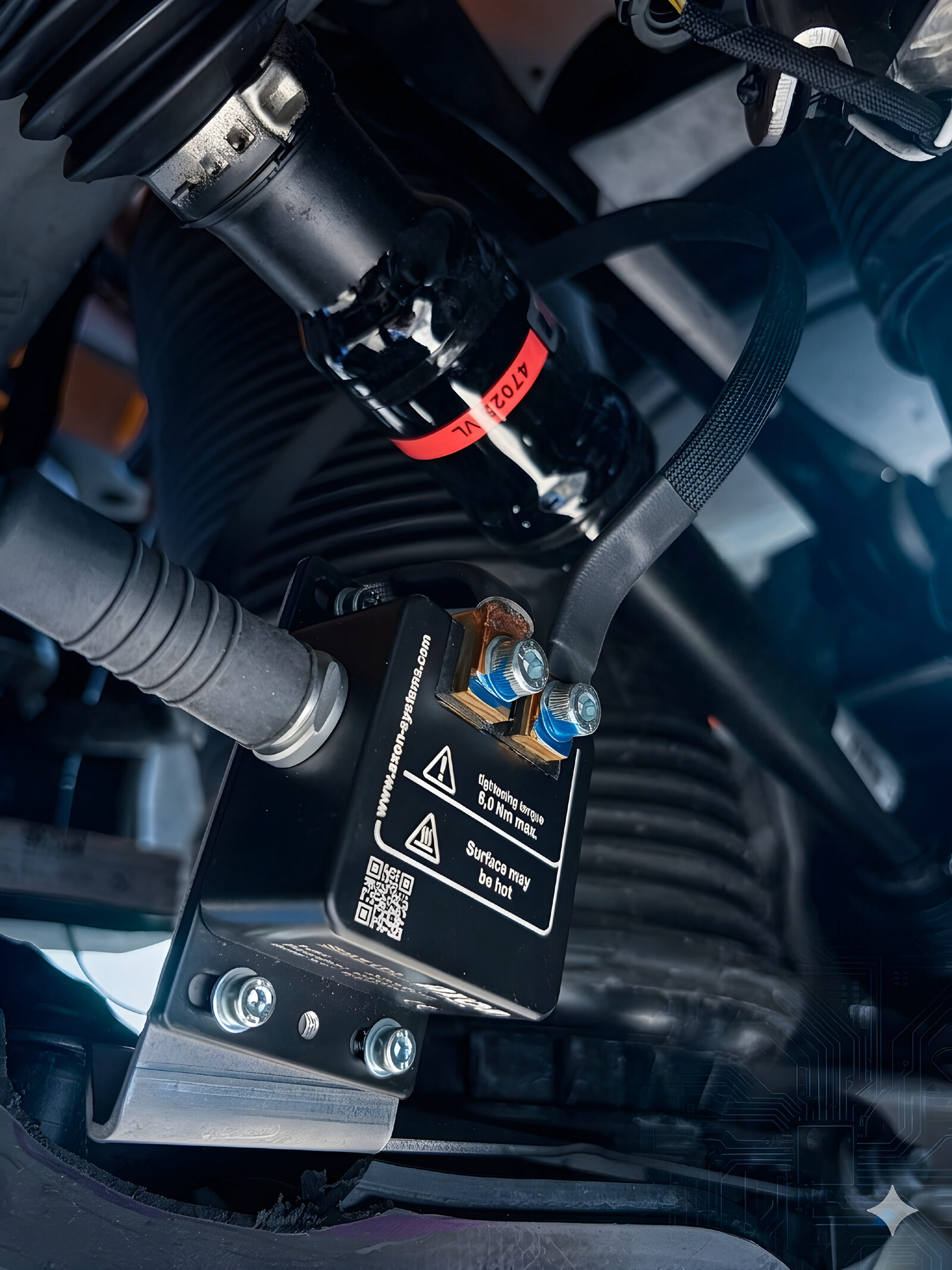
Torque measurement on side shafts, cardan shafts, transmission inputs and outputs, and e-drives — including transient states, recuperation and EMC-loaded environments.
Engine, transmission, component, brake and dynamometer test benches need reproducible torque data across many measurement cycles.

Torque traces support load spectra, condition monitoring and early detection of wear or misalignment.

High loads, relative movement and strict documentation requirements call for robust measurement chains with traceable operating parameters.
AXON treats torque measurement as a complete measurement chain: sensor, telemetry, mechanical integration and calibration.
Clarify shaft, speed range, torque range, temperature, media exposure, installation space and interfaces.
Select strain gauges, rotor unit, antennas, control unit and protection for the application.
Position rotor and stator sides so power transfer, data transmission and installation space work together.
Check, calibrate, document and hand over the measurement chain for test bench, vehicle or machine.
System selection
The right system depends on whether the task needs torque only, multiple strain gauge channels, additional temperature or a measurement flange.
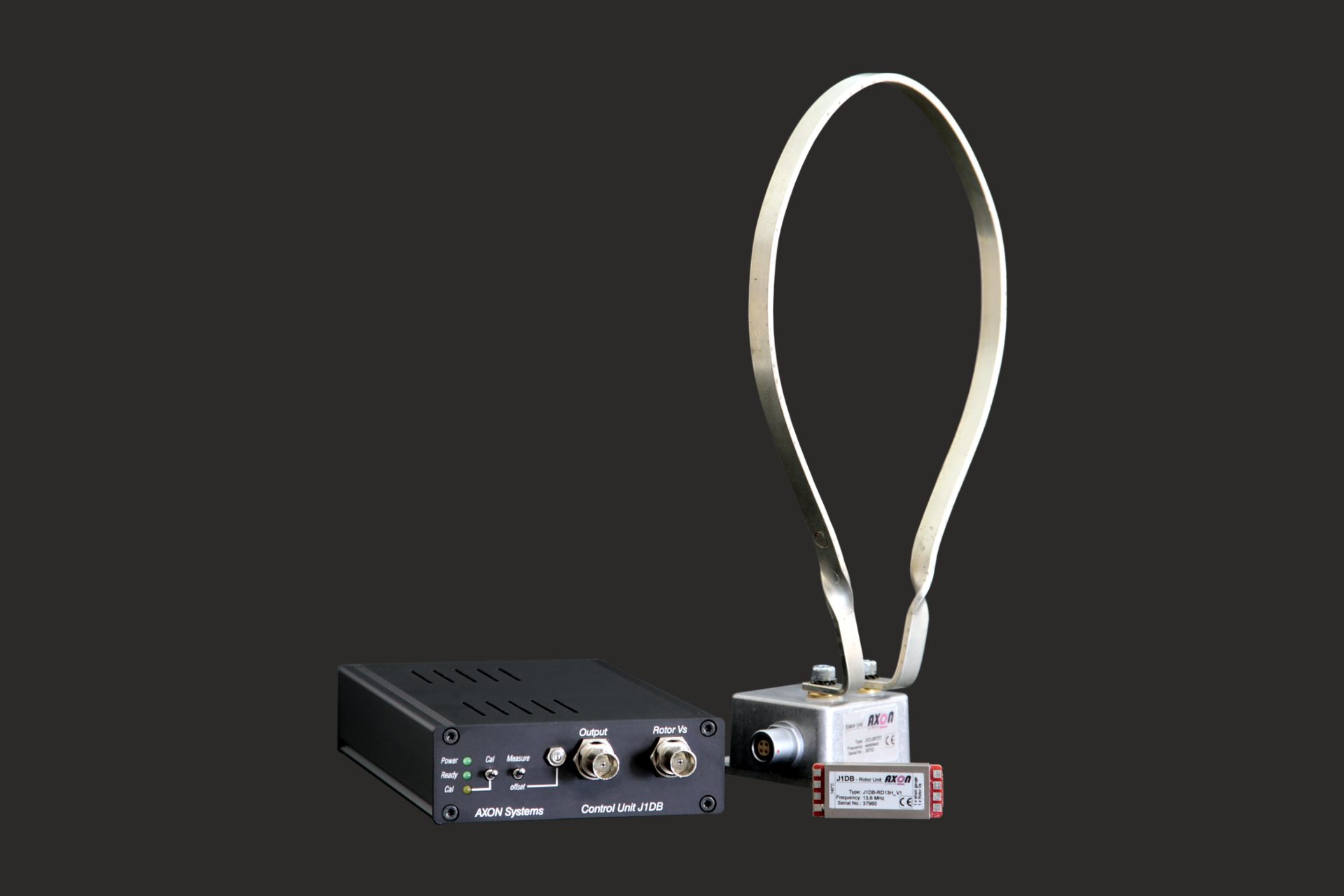
Universal 1-channel strain gauge telemetry transmitter for torque measurement.
Details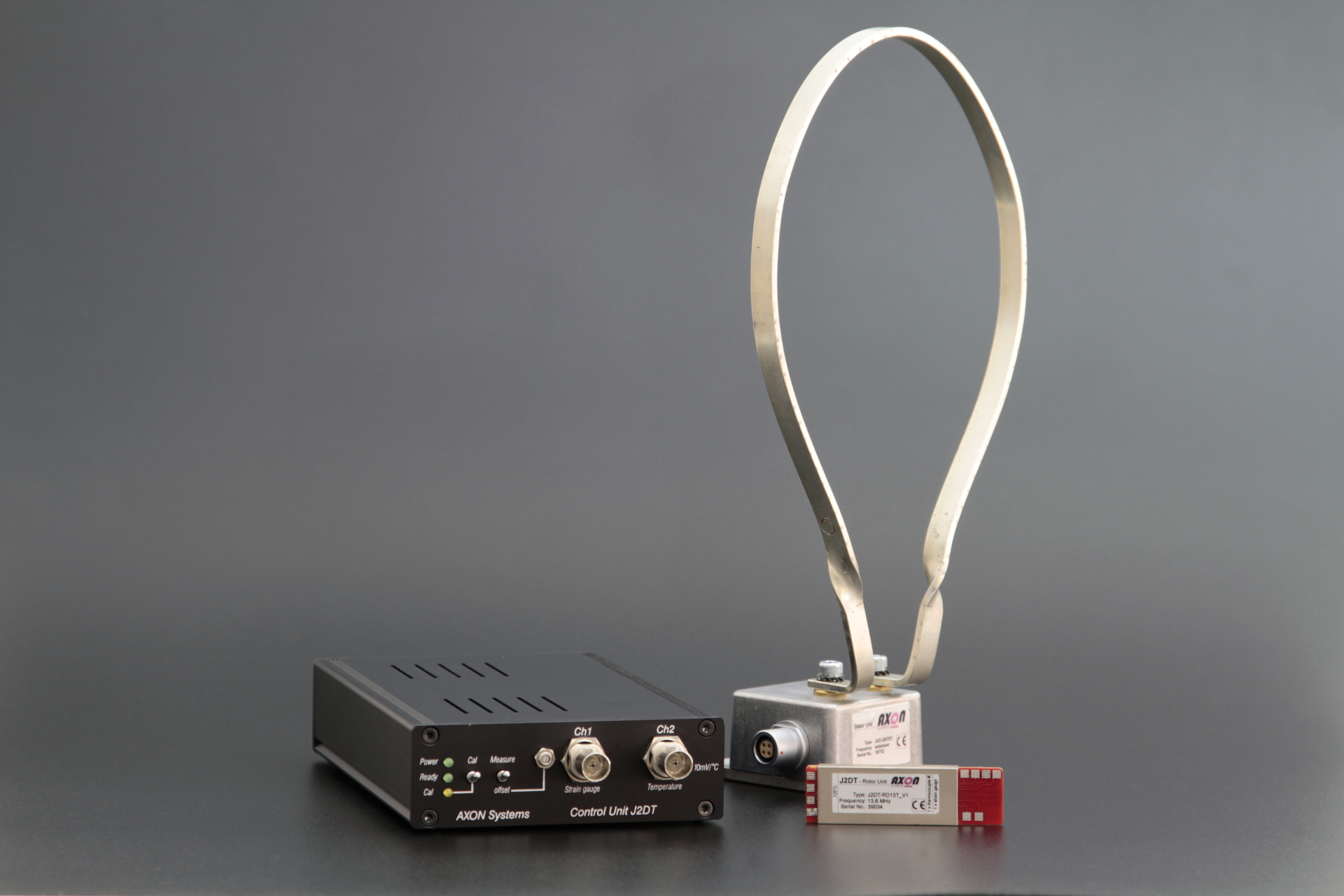
Two-channel strain gauge telemetry, optionally combined with temperature.
Details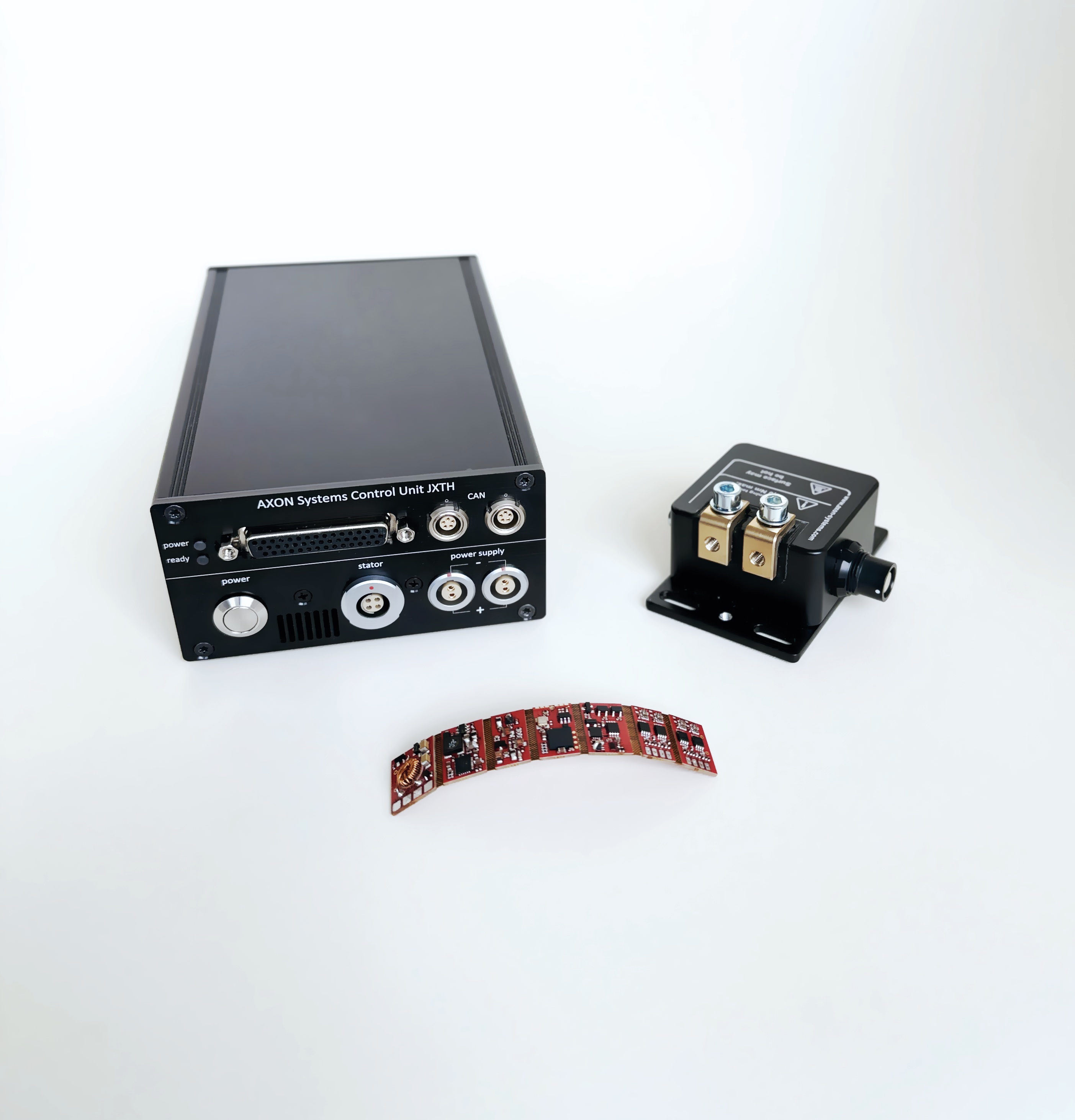
Multi-channel telemetry for temperature measurement on rotating components.
Details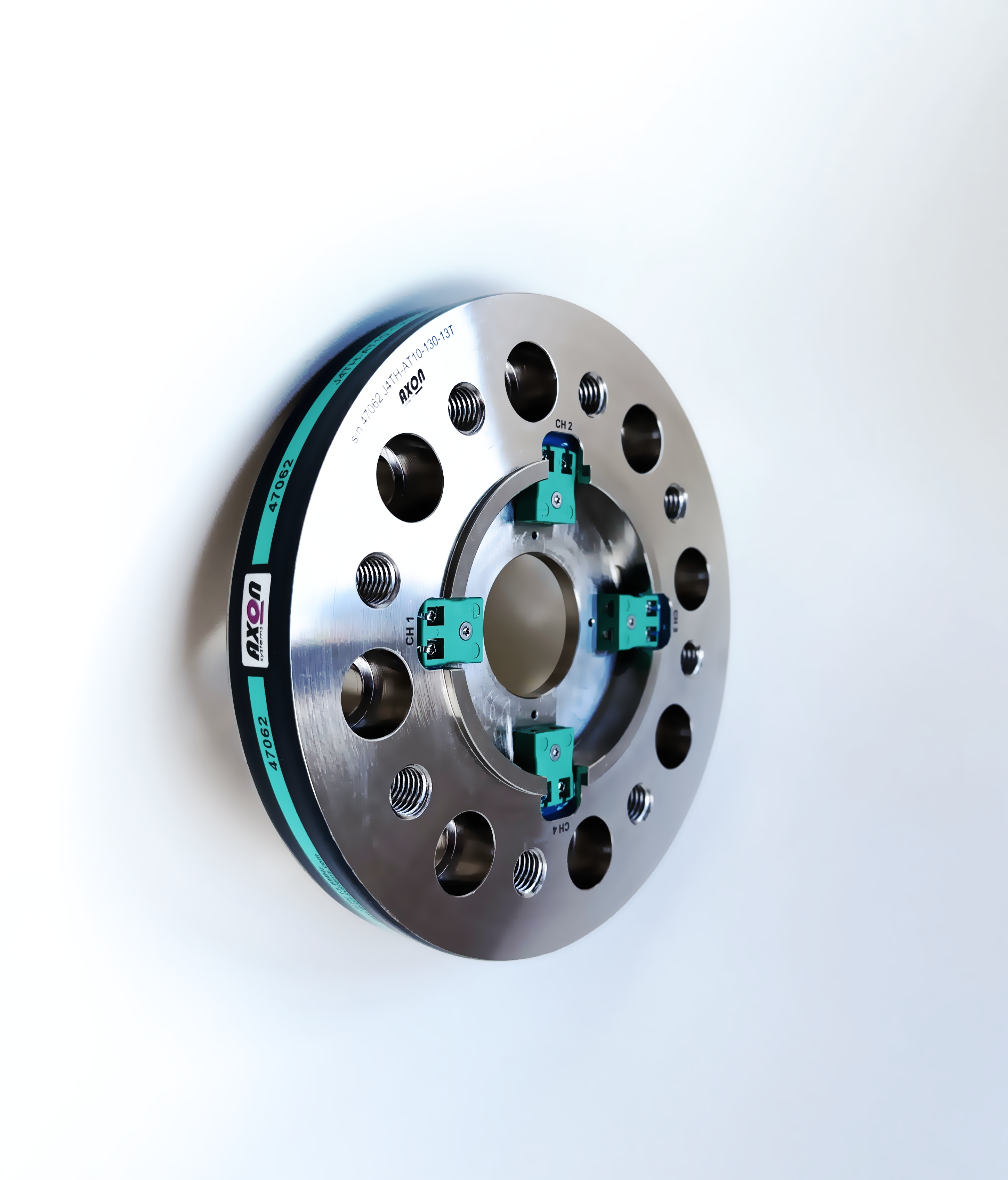
Plug-and-play measurement flange for existing torque flange environments.
DetailsBecause power and data are transmitted without mechanical contacts. There are no brushes, no contact wear and fewer signal issues from transition resistance.
The shaft torsion is measured via strain gauges. Torque is then determined through calibration and the measurement chain.
Useful inputs include shaft or component data, expected torque range, speed, installation space, temperature, media exposure and the required interface to the test bench or vehicle.
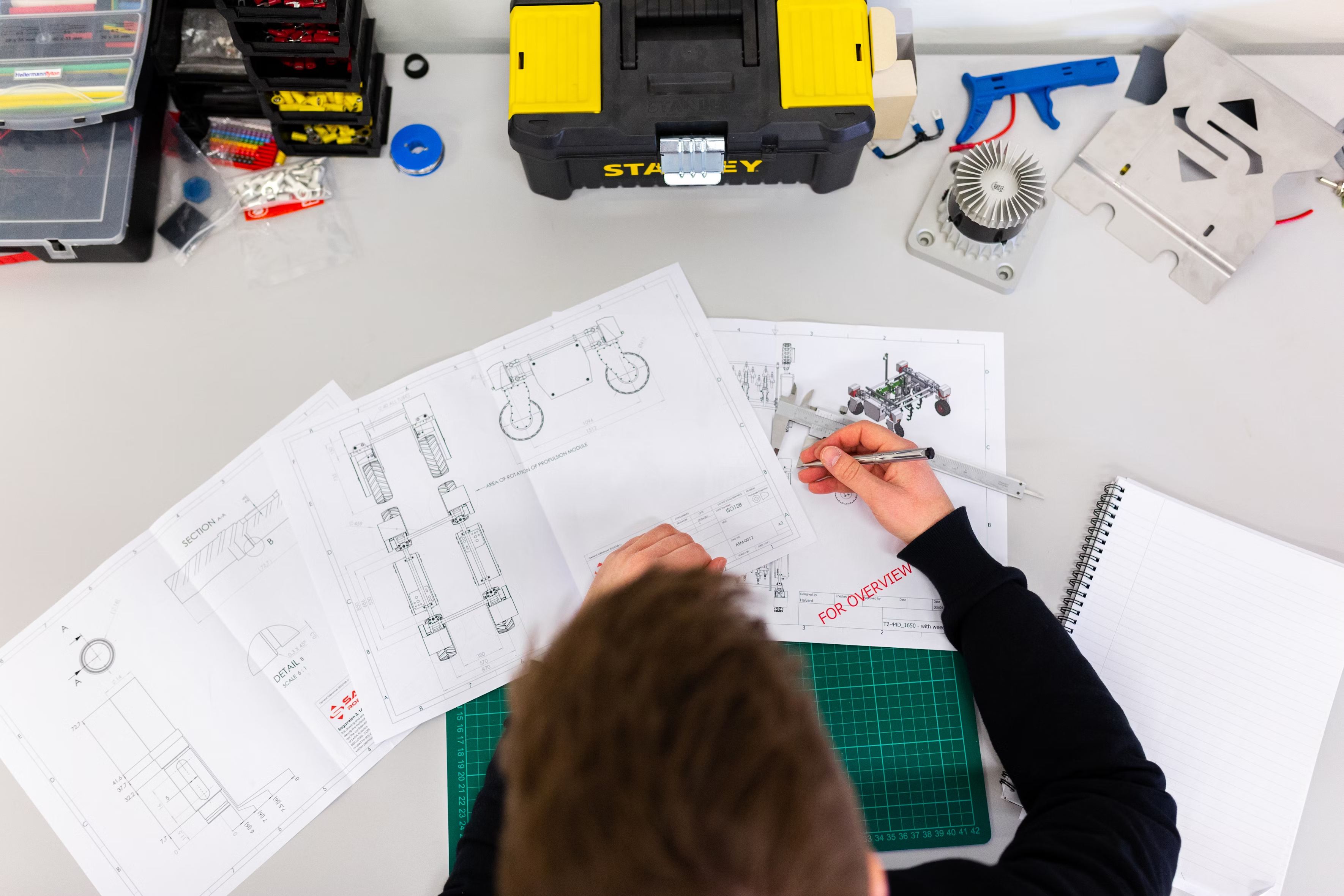
Describe shaft, installation space, speed, temperature and interface. AXON will assess which telemetry and strain gauge application makes sense.